What Are Fungal Infections in Children?
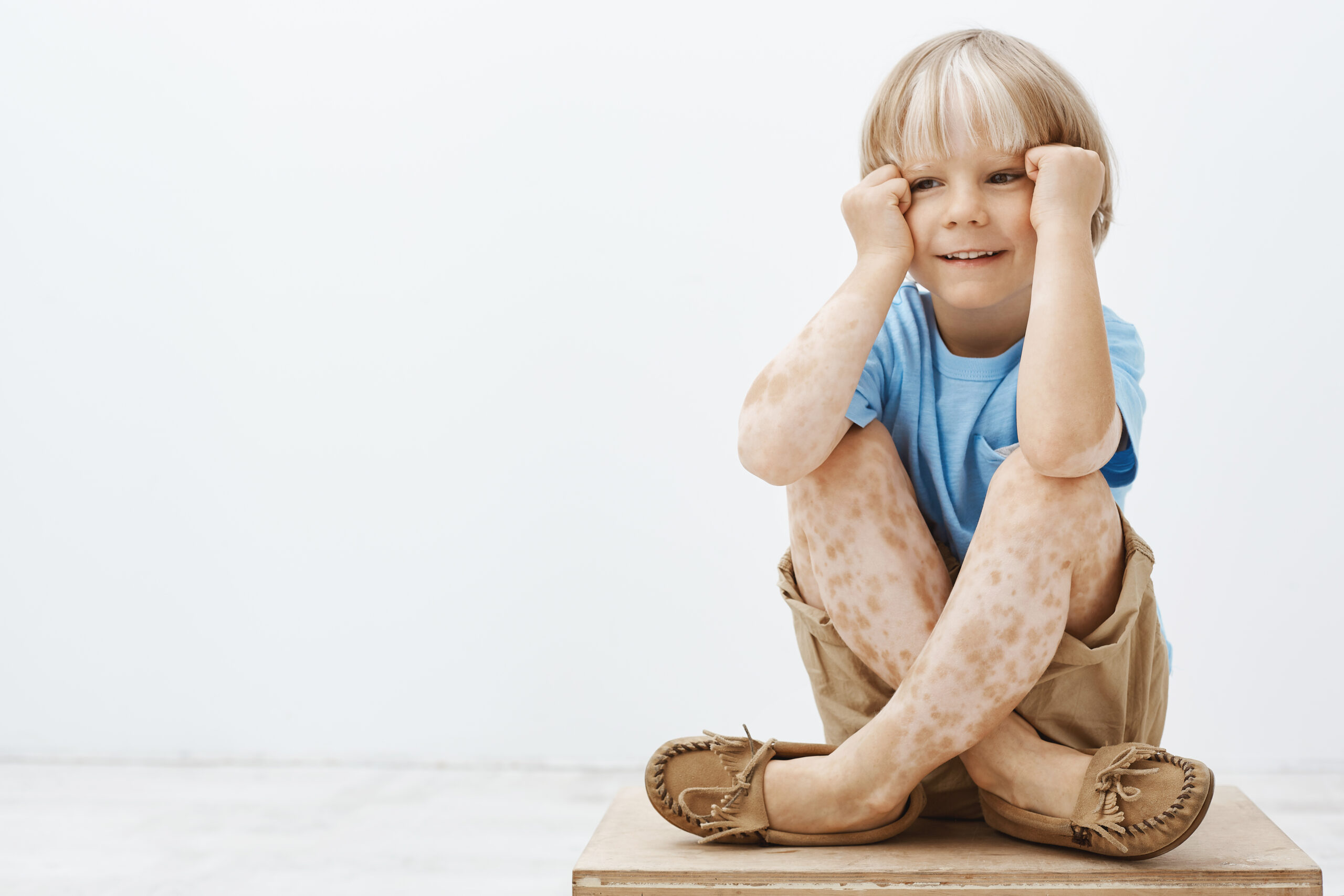
Fungal infections in children are common health problems. These infections happen when fungi grow on or inside a child’s body. Often, they affect the skin, scalp, nails, or mouth. For example, ringworm and athlete’s foot are types of childhood skin fungus. While most fungal infections are not serious, they can cause discomfort. Early treatment helps prevent problems. According to the Centers for Disease Control and Prevention (CDC), children are more likely to get these infections because their immune systems are still developing.
Common Symptoms of Fungal Infections in Kids
It is important to know the signs of fungal infection in kids. Early detection can help your child feel better sooner. Look for these symptoms:
Sometimes, children may also feel mild pain or burning. However, symptoms can vary based on the type of fungus and the area affected.
Causes and Risk Factors
Fungi are everywhere in our environment. Yet, not all children get fungal infections. Several factors can increase the risk:
For example, children who play sports or use public showers are more likely to get athlete’s foot. Additionally, babies and toddlers can develop oral thrush if their immune systems are not fully developed.
How Fungal Infections Are Diagnosed in Children
Doctors use several methods to diagnose pediatric fungal infections. First, they will ask about your child’s symptoms and medical history. Next, they will examine the affected area. Sometimes, doctors may gently scrape a small sample of skin or nail. This sample is checked under a microscope or sent to a lab. In some cases, special lights help spot certain types of fungus. Quick diagnosis means your child can start treatment sooner.
Treatment Options for Pediatric Fungal Infections
Treatment for fungal infections in children depends on the type and location of the infection. Most mild skin infections can be treated with creams or ointments. These are called antifungal medicines. For more severe or widespread infections, doctors may prescribe oral medicines. Here are common treatments:
It is important to follow the doctor’s instructions. Even if symptoms improve, finish the full course of medicine. This helps prevent the infection from coming back.
Prevention Tips for Parents and Caregivers
While not all fungal infections can be avoided, you can lower your child’s risk. Try these simple tips:
Additionally, teach your child about good hygiene. Early habits can help prevent many infections.
When to See a Pediatrician
Sometimes, home care is not enough. You should contact a pediatrician if:
Early medical care can prevent complications. Pediatricians can also recommend the best treatment for your child’s needs.
Consult a pediatrician for personalized advice if you suspect your child has a fungal infection.