
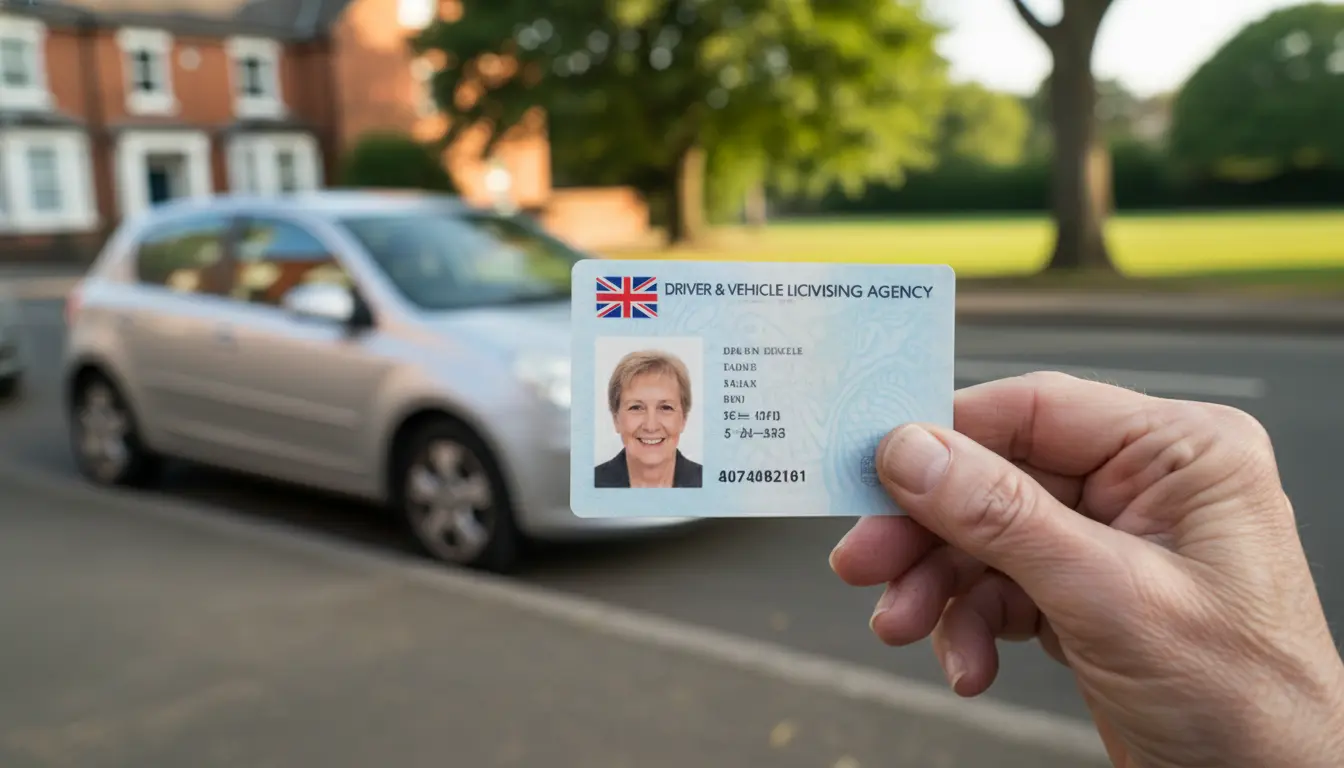
From March 2026 new UK driving rules affecting drivers aged 70 and above will come into effect. This guide explains in plain language what those changes mean, what action you should take now, and how to prepare ahead of the deadline.
What the new UK driving rules for over-70s mean
The upcoming rules change how drivers aged 70 and over keep their licences. You should expect more frequent medical and eyesight checks, clearer reporting duties for health conditions, and a streamlined renewal process managed through the DVLA.
Below are the main elements to be ready for:
- More regular medical assessments or declarations about fitness to drive.
- Mandatory eyesight checks at renewal or annually if a problem is reported.
- Clearer instructions for doctors and opticians on reporting conditions that affect driving.
- Transitional arrangements for drivers already over 70 by March 2026.
Who is affected and when
Drivers aged 70 and over on or after March 2026 will be affected. If you will reach 70 before that date you must follow the current renewal rules until the new system applies to you.
Check official DVLA guidance for any staged rollout dates that may affect your individual renewal date.
Key dates and deadlines
- March 2026 – new rules take effect nationally.
- Check your licence renewal reminder for the exact date you must comply.
- Allow extra time for medical appointments and paperwork before your renewal deadline.
How to prepare for the new over-70 driving rules
Preparation reduces stress when renewal time comes. Start early to book appointments and gather documents.
- Book an eyesight check with an optician and request a written record if any problem is found.
- Discuss ongoing medical conditions with your GP. Ask if a clinic letter or medical report is needed for DVLA.
- Update contact details with the DVLA so you receive reminders on time.
Documents and information you may need
Have these ready when renewing or reporting to the DVLA:
- Current driving licence and National Insurance number.
- Recent eye test certificate or optician’s report if requested.
- Medical summary or clinic letters for conditions such as stroke, epilepsy, dementia, or diabetes that affect driving.
Step-by-step: How to comply with the new UK driving rules for over-70s
Follow this simple sequence to stay legal and safe on the road.
- Check your DVLA renewal date and watch for official communications.
- Book an eyesight test and any GP appointments well ahead of the deadline.
- Complete the DVLA renewal online where possible, or use the paper form if instructed.
- Upload or send required medical evidence, and keep copies for your records.
- Follow any restricted licence conditions or additional testing if the DVLA requests them.
Costs, testing and enforcement
Expect routine fees for standard licence renewal where applicable, and potential costs for medical reports or specialist assessments. The DVLA will enforce non-compliance with licence suspension or penalties if you drive while unlicensed or unfit.
If you are asked to take a practical driving assessment, book it quickly to avoid losing driving privileges while you wait.
In the UK drivers must tell the DVLA about any medical condition that could affect driving. This duty to report has existed for years and will be reinforced under the new rules for over-70s.
Practical tips for staying mobile
If you are worried about losing independence, plan alternatives before renewal day.
- Look into community transport services and local senior driving groups.
- Consider volunteering or paid driving assessments to refresh skills.
- Discuss adaptations with an occupational therapist if a condition affects mobility or vision.
Case study: Practical example
Margaret is 72 and lives in a small town. She received a DVLA renewal notice for April 2026. She booked an eye test and a GP appointment two months early, obtained a short medical summary from her practice, and completed the online renewal. Her licence was renewed with a yearly eyesight reminder, and she avoided last-minute stress and potential fines.
This short planning step saved Margaret time and kept her driving legally while she monitored her health.
Where to get official information
Always verify the precise legal requirements and any changes directly with the DVLA or on GOV.UK. Rules can be updated, and local implementation details may differ.
Useful contacts:
- DVLA website: GOV.UK – Driving and transport pages
- Local optician clinics and GP practices
- Age UK and local council mobility services for advice and transport options
Final checklist for over-70 drivers before March 2026
- Check your renewal date and set calendar reminders.
- Book eye and medical checks early.
- Gather and keep copies of all medical paperwork.
- Use the online DVLA service where available and follow any instructions quickly.
- Plan transport alternatives in case of licence limitation or suspension.
Being prepared and informed is the best way to manage the new UK driving rules for over-70s when they start in March 2026. Check official DVLA guidance for the latest details and act early to avoid disruption.