
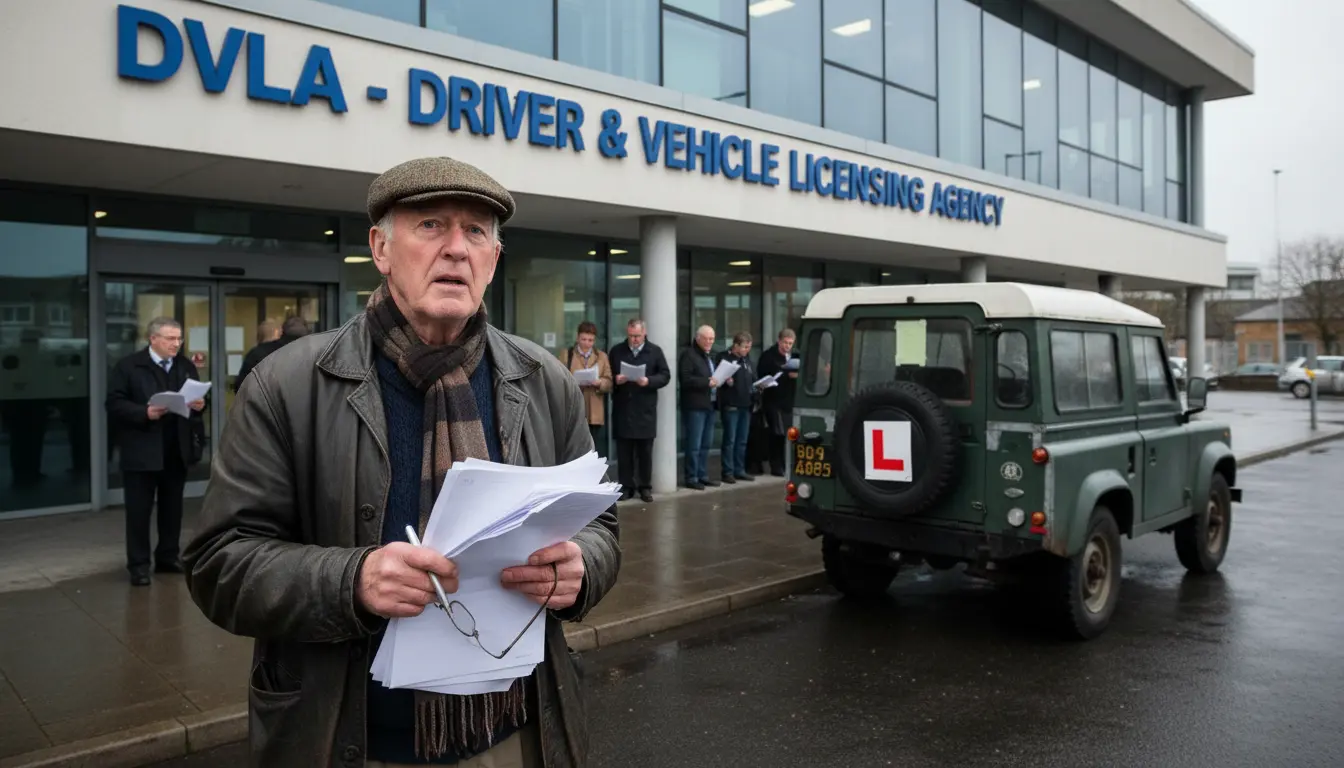
What the DVLA Confirms About Driving Ban for Over-60s Under New 2026 Rules
The DVLA has confirmed new 2026 rules that introduce a driving ban affecting some drivers aged over 60. This article explains who is affected, what steps to take, and how to appeal or adapt.
Summary of the confirmed change
The 2026 change allows the DVLA to remove driving licences for certain drivers aged over 60 when specific medical or fitness criteria are met. It is not an automatic ban for every person over 60.
Understanding the criteria and process will help you prepare and respond if the DVLA contacts you.
Who is affected by the 2026 DVLA driving ban for over-60s?
The new rules target drivers over 60 who meet defined medical risk thresholds. Typical factors include recent serious medical events, progressive conditions affecting driving ability, or failure to meet required medical reviews.
Key groups likely to be affected include:
- Drivers with untreated or recently worsening neurological conditions.
- People with repeated unexplained blackouts or loss of consciousness.
- Those who fail to provide requested medical evidence or do not attend DVLA assessments.
Not all over-60s will be banned
The ban is applied based on assessed risk, not strictly on age. Many drivers over 60 who meet medical standards or who undergo corrective treatment will keep their licences.
How the DVLA will apply the 2026 rules
The DVLA will follow a process: identify risk, request medical evidence, and issue a suspension or revocation if the risk is confirmed. The decision will be communicated in writing with reasons and information on appeals.
Typical steps from the DVLA:
- Written notice asking for medical consent or records.
- Formal medical assessment by a DVLA-approved clinician if required.
- Temporary measures such as short suspensions while evidence is reviewed.
- Final decisions with information on how to request a review or appeal.
How to check if the ban applies to you
Take these practical steps if you are over 60 and drive:
- Check your post and email for letters from the DVLA. They will give clear reasons and deadlines.
- Contact your GP or specialist for copies of recent medical records if requested.
- Use the DVLA online services to review your licence status and any current restrictions.
Documents to prepare
Prepare the following documents to speed up the process:
- Recent GP or hospital letters describing diagnosis and fitness to drive.
- Medication lists and treatment records.
- Reports from specialists such as neurologists, cardiologists, or psychiatrists when relevant.
How to appeal or request a review of a DVLA decision
If the DVLA issues a ban or suspension, you have rights to request a review and to appeal. The decision letter will outline the timeframe and method for appeals.
Practical steps for an appeal:
- Request a full explanation of the reasons in writing.
- Collect independent medical evidence that addresses the specific concerns raised.
- Consider obtaining a driving assessment from an accredited occupational therapist or mobility specialist.
- Use the DVLA appeals process and, if necessary, seek legal advice for tribunal appeals.
Alternatives and planning if your licence is revoked
Losing the ability to drive affects daily life. Plan ahead to reduce disruption.
Practical alternatives:
- Public transport: review local bus and train routes and concessions for older people.
- Community transport services: local councils or charities often run door-to-door schemes.
- Car clubs, taxis, and ride-hailing services for occasional trips.
- Local support networks: neighbors, family, or volunteers for regular needs like shopping.
Financial and mobility support
Check eligibility for concessions and benefits that reduce travel costs. Some councils provide travel assistance for medical appointments and essential journeys.
Under existing UK rules, drivers typically renew their licence at age 70. The 2026 change does not replace routine renewal; it adds a targeted medical-based power for drivers over 60.
Real-world example: a short case study
Case study: Marion, 67, received a letter from the DVLA requesting medical records after several minor falls and a recent fainting episode. She arranged an appointment with her GP, provided hospital discharge summaries, and attended a specialist driving assessment.
The DVLA initially suspended her licence pending review. After submitting additional medical evidence and completing a practical driving assessment, Marion was given a restricted licence for local daytime driving only. She also joined a community transport scheme for longer trips.
Practical checklist if you receive a DVLA notice under the 2026 rules
- Read the DVLA letter carefully and note deadlines.
- Contact your GP or specialist immediately to request records.
- Arrange any recommended medical or driving assessments promptly.
- Gather supporting evidence such as treatment plans or specialist reports.
- Consider transport alternatives while your case is under review.
Final practical tips
Act promptly if you receive communication from the DVLA. Clear, timely medical evidence improves the chance of a favorable outcome or a conditional licence.
If you need help, contact local advocacy services, Citizens Advice, or a solicitor experienced in driving licence appeals. Staying informed and prepared reduces stress and helps you make the best choices for mobility and safety.